Showing posts with label Italy. Show all posts

16 May 2013

Referendum sul Finanziamento delle Materne a Bologna - strumento di analisi

(Apologies, this post is for Italian readers only.)

Il 26 Maggio a Bologna si terrà un referendum consultivo sul finanziamento comunale delle scuole materne pubbliche e private.

Il quesito chiede agli elettori se i finanziamenti dovrebbero dare priorità alla scuola pubblica (opzione A) piuttosto che continuare a sostenere parzialmente le scuole paritarie private (opzione B). In pratica, si chiede un giudizio sul finanziamento che il Comune eroga dal 1995 alle materne private grazie a una delibera del sindaco di allora, Walter Vitali, approvato nel 1994. Il contributo iniziale (circa 300mila Euro) è cresciuto nel tempo fino agli attuali 1,2 milioni di Euro, in un contesto in cui le scuole comunali si trovano invece in notevoli difficoltà economiche per colpa dei tagli alle amministrazioni locali da parte dei vari governi nazionali. Centinaia di bambini vengono così privati del loro diritto all'istruzione; solo una parte di questi può permettersi di accedere ad una scuola privata, vuoi per ragioni economiche (le paritarie richiedono rette tra i 200 e i 500 euro mensili) o per ragioni culturali (oltre il 90% delle scuole paritarie sono gestite da vari organizzazioni che fanno capo alla Chiesa Cattolica, elemento che si riflette esplicitamente nei loro programmi e regolamenti e, di fatto, nella composizione delle famiglie che ne usufruiscono). Nel 2012/13, 143 bambini sono dovuti rimanere fuori; simili proiezioni circolano per il 2013/14.

È chiaro che la scelta di chi finanziare con i soldi dei contribuenti è sempre squisitamente politica. L'amministrazione attuale, capitanata dal sindaco Virginio Merola, si è schierata pesantemente a favore del mantenimento dei contributi ai privati ed ha fortemente voluto uno scontro frontale con i referendari. In particolare, da subito il "fronte del B" (che annovera praticamente tutti i partiti maggiori, inclusi quelli di opposizione) ha sostenuto come questa scelta fosse fortemente pragmatica perché, si afferma, non ci sarebbero comunque i soldi per garantire a tutti un posto in scuole pubbliche.

Per discutere di questa affermazione, ho creato un banale strumento per calcolare il budget delle scuole paritarie e pubbliche a Bologna. Lo strumento mostra come, reindirizzando i contributi pubblici verso scuole comunali, è altamente probabile che si troverebbe lo spazio per accomodare tutti. Cercando di essere obiettivo, lo strumento mostra anche il possibile impatto sulle rette delle scuole private -- che in realtà era la mia motivazione originale quando ho iniziato a lavorarci. I dati utilizzati sono quelli forniti dallo stesso Comune in una pagina recentemente pubblicata e criticata per i toni non particolarmente super partes.

La critica più facile verso questo strumento è che assume che la domanda per posti privati non sia influenzata dalle possibili variazioni della retta. Purtroppo questo non è calcolabile senza il dato delle iscrizioni pre-1995, dato che il Comune si guarda bene dal divulgare nonostante le richieste [EDIT: il Comune ha risposto, dicendo che i posti pre-95 erano "circa 1600"]. Le cifre ufficiose parlano di 1660 iscritti nel '94, contro gli attuali 1736 (o 1961, a seconda se si includono le scuole private tutt'ora non aderenti alla convenzione); se fosse vero, mostrerebbe che quindi l'influenza dei cntributi è complessivamente marginale rispetto alla domanda, e quindi il mio modello rimarrebbe è sostanzialmente valido. Sono comunque aperto a discutere qualsiasi lacuna: il codice utilizzato è disponibile pubblicamente su Github.

Per concludere, è chiaro che questo discorso è riduttivo. Il referendum non è solo questione di soldi: in ballo ci sono principi e indirizzi fondamentali a livello etico e politico su chi e come debba gestire l'educazione. Il modello sussidiario, che tanto andava in voga 20 anni fa sull'onda privatizzatoria del post-89, ormai mostra le crepe in Italia come in gran parte d'Europa. Si ricomincia a discutere del ruolo fondamentale dello Stato di tutti, dei beni comuni, del ruolo sociale delle istituzioni collettive; in quest'ottica, è doveroso ridiscutere scelte fatte quasi in sordina (e spesso in una logica di voto di scambio) su cui i bolognesi non hanno mai potuto esprimersi. Questo strumento è solo una risposta all'approccio pragmaticista su cui l'amministrazione comunale ha impostato la sua campagna fino a pochi giorni fa.

Da buon iscritto AIRE, anch'io posso votare e cercherò di farlo, nonostante le difficoltà logistiche del caso.

19 December 2008

La mia Italia

Libertà e giustizia sociale, che sono poi le mete del socialismo, costituiscono un binomio inscindibile. Se a me socialista offrissero la riforma più radicale sul piano sociale, ma privandomi della libertà, io la rifiuterei. [...] Ma la libertà senza giustiza sociale può anche essere una conquista vana. Lei può considerare veramente libero un uomo che ha fame, che è nella miseria, che non ha lavoro, che è umiliato perché non sa come mantenere i suoi figli e educarli? Questo non è un uomo libero; sarà libero di bestemmiare e di imprecare, ma questa non è la libertà che intendo io. -- Alessandro Pertini

15 June 2008

Italian Football Folklore: "il biscotto"

The "Biscotto" (literally "biscuit") is a central concept in Italian football. It's a sum of Italian attitudes towards football institutions, honesty, fair play, and "dietrologia" (another very Italian concept, "the study of what might be hidden" -- from "dietro", behind).

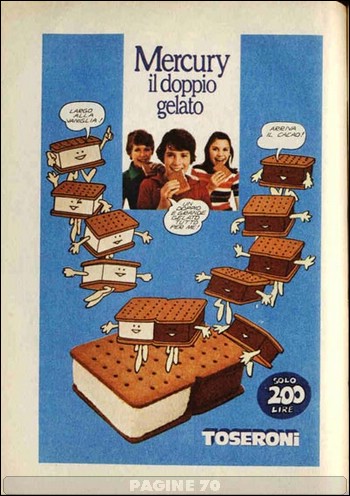
This term comes from an ice-cream brand, as you would expect from such a food-obsessed culture; specifically, an ice-cream surrounded by two biscuits. The biscuits don't touch each other, but squeeze a dollop of ice-cream between them -- exactly like two contenders who won't hit each other, but will manage to squeeze out a third party standing in their way.

For example, imagine that two teams have to play a match in a tournament, and there is only one possible result that will qualify both of them to the next phase of the competition and eliminate a third party. They could come to an agreement to make sure the "right" result comes out; this would be a classic "biscotto". Or imagine that two teams have to play at the end of the season, and one club doesn't really have anything to play for, while the other needs points to avoid being relegated (hence pushing down another team)... you get the idea. It's basically a combine where a third-party gets hurt.

The Italian football team was (or it was perceived as being) on the wrong side of an alleged "biscotto" a few times in recent history, most infamously at Euro 2004 when Denmark and Sweden produced a 2-2 draw which qualified both Scandinavian nations and kicked out the "Azzurri". If you then consider the 2002 incident (when South-Korean hosts kicked out Italy in a match plagued by a terrible referee), and a penalty awarded in the first minutes of the 2006 World Cup final (on a dive by French player Malouda), you can understand why the Italian press is currently running wild with speculation of an upcoming "biscotto" between Romania and the Netherlands. The Oranje are already mathematically certain to win their group, whereas Romania needs a victory to stay in second place and kick out France and Italy... which is a result Holland might like, considering as these two (currently troubled) teams usually transform into tough competitors for the final stages of major tournaments.

The Italian people experienced a long history of political intrigue, stretching all the way back to Imperial Rome; we tend to see daggers hidden in every dark corner, conspiracies arranged for the most worthless situations, puppeteers pulling strings in the smallest of everyday occasions. For centuries our political landscape was defined elsewhere, with Italian city-states acting as proxies for various European powers, all the way up to the Cold War. As a result, we tend to be a little too suspicious, and assign responsibilities to others that should really be ours.

If we really wanted to qualify, we should have won (or drawn) against the Netherlands, and won fair and square against Romania. Instead, our men played badly (especially in the first game), and our "lethal" strikers couldn't score even given massive amounts of chances (a defender had to step up and do it). They shouldn't have put themselves in that position in the first place. Once you get to depend on the whims of somebody who doesn't owe you anything, you can't complain about what might happen. Life is tough.

(This said, my money is on Romania to win. It's hard to kick old habits, I guess. And the actual ice-cream is fantastic, and so difficult to find in Manchester -- anybody that can send a box over here?)

05 February 2008

The Italian Politics Club

  1. The first rule of politics in Italy is that you don't talk about real politics in Italy.
  2. The second rule of politics in Italy is that you DO NOT talk about real politics in Italy. You can talk about "parties" and have endless ideological debates, but absolutely DO NOT try to actually solve problems by enacting policies. People could get angry.
  3. The third rule of politics in Italy is that if someone can't pass a minor law on whatever minor useless subject, the Government is over.
  4. Fourth rule: at least three or four "parties" involved in any trivial discussion or commission. This guarantees instability and respect of the second rule.
  5. Fifth rule: try to fight at the same time with as many people as possible, especially if members of your own government. This will help to apply the second and third rule.
  6. Sixth rule: try to look and act the same as all your colleagues in politics. Otherwise you will be marked as "fesso" (stupid) and you will be ignored.
  7. Seventh rule: governments shouldn't last more than a couple of years at best. Again, this guarantees rule 2 and 3 are respected.
  8. Eighth and final rule: if this is the first time you try to understand Italian politics, you have to get dragged in endless arguments about the role of the Roman Catholic Church and the Mafia and the Big Money People, to conclude 5 hours later that you are absolutely powerless to change anything and the only answer is a south-american-style secular dictatorship that can kill the Pope, burn down the Vatican, put the Mafia in charge of enacting laws in the South, and nationalise all industry.

Note: this is my last post on the subject.